How British Gambling Platforms Adapted Loyalty Schemes After Fiscal Reforms
Viktor Wagner · Nov 17, 2026
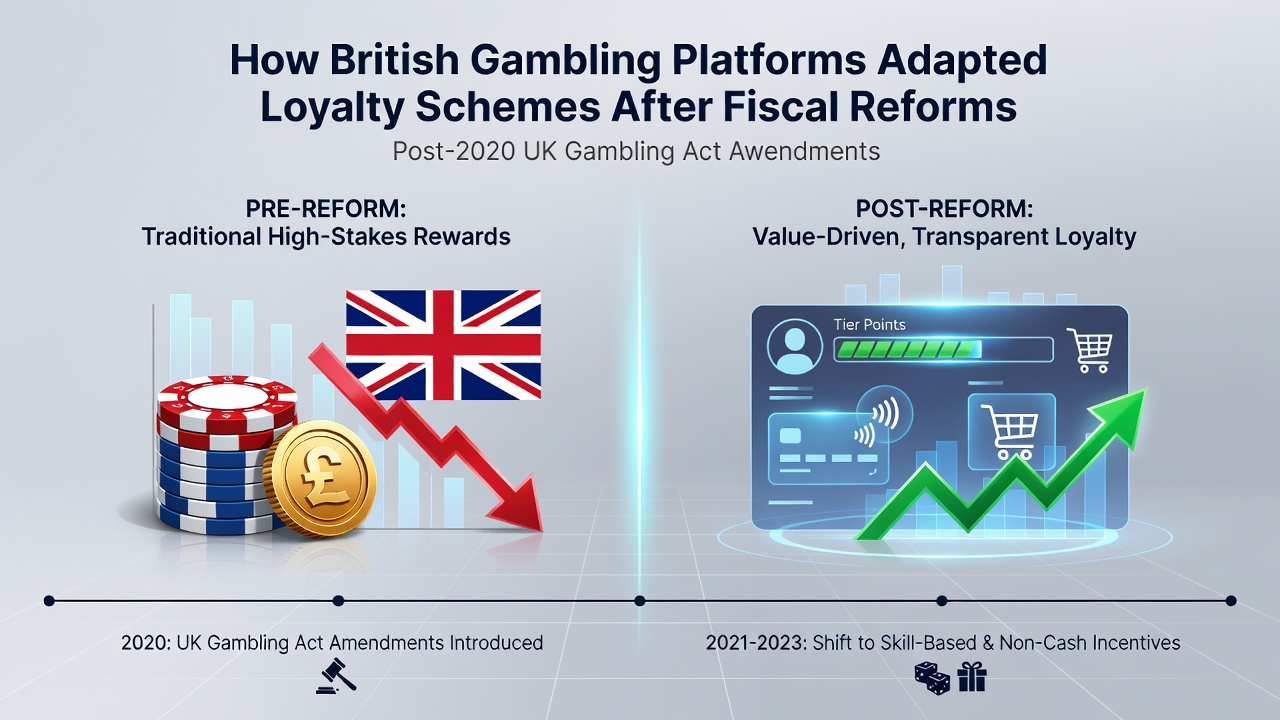
British Betting Platforms Revamp Loyalty Initiatives in Response to Tax Reforms
British gambling operators faced increased operational costs following duty rate adjustments in recent budgets, which prompted systematic reviews of customer retention tools including loyalty programs. These programs, which traditionally relied on points accumulation, cashback offers, and tiered VIP access, underwent modifications to align expenditure with revised tax obligations while maintaining player engagement levels. Data from industry analyses shows that many platforms reduced bonus multipliers and extended qualification periods for rewards by late 2025. Operators adjusted reward structures by shifting emphasis from immediate cashback to longer-term benefits such as exclusive event access and personalized merchandise. This approach allowed firms to spread costs over extended periods rather than absorb immediate financial hits from higher machine games duties and betting levies. Researchers tracking these shifts note that participation rates in modified schemes remained stable through the first half of 2026 because users responded positively to experiential perks over direct monetary returns.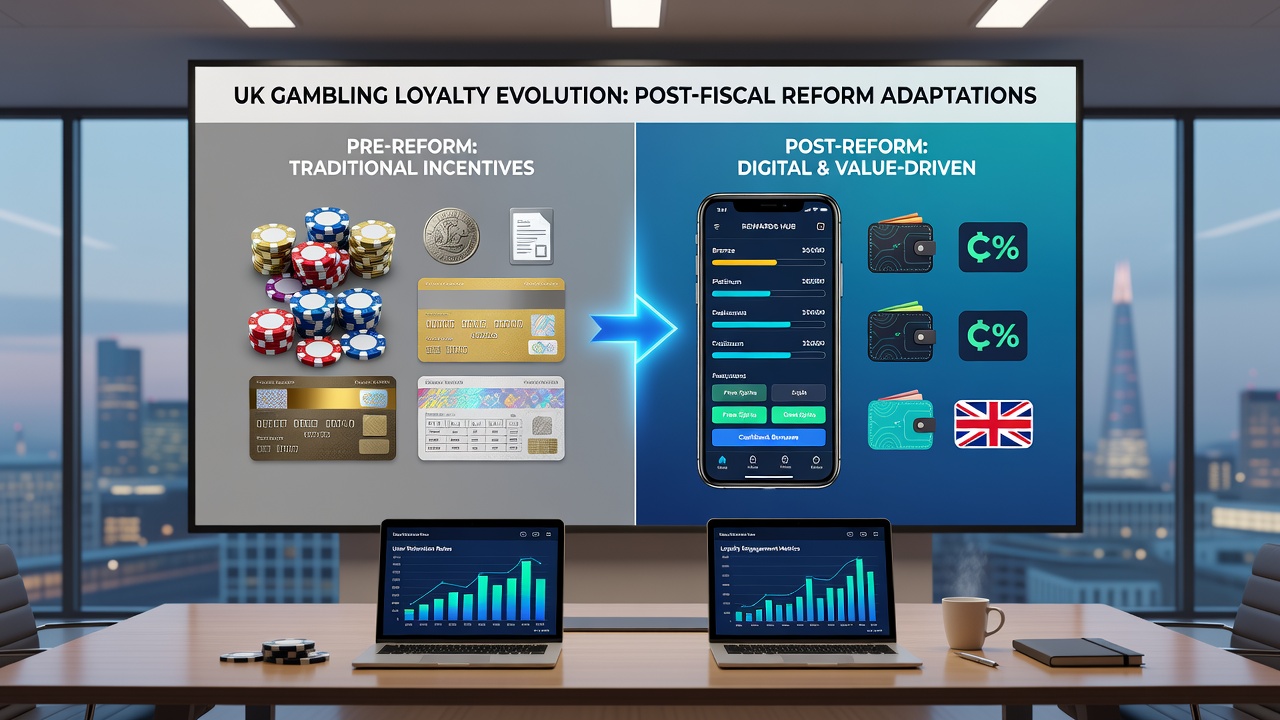 External benchmarks drawn from international comparisons appear in reports issued by the OECD, which examined similar duty increases in other jurisdictions and their effects on retention strategies. British firms incorporated elements such as time-limited challenges and community leaderboards that encouraged broader participation without inflating direct reward liabilities. Industry organizations including the Remote Gambling Association documented how these tactical shifts helped stabilize retention metrics despite the tax environment.
British gambling operators faced increased operational costs following duty rate adjustments in recent budgets, which prompted systematic reviews of customer retention tools including loyalty programs. These programs, which traditionally relied on points accumulation, cashback offers, and tiered VIP access, underwent modifications to align expenditure with revised tax obligations while maintaining player engagement levels. Data from industry analyses shows that many platforms reduced bonus multipliers and extended qualification periods for rewards by late 2025. Operators adjusted reward structures by shifting emphasis from immediate cashback to longer-term benefits such as exclusive event access and personalized merchandise. This approach allowed firms to spread costs over extended periods rather than absorb immediate financial hits from higher machine games duties and betting levies. Researchers tracking these shifts note that participation rates in modified schemes remained stable through the first half of 2026 because users responded positively to experiential perks over direct monetary returns.Pre-Reform Loyalty Frameworks
Prior to the fiscal updates, loyalty schemes centered on straightforward accumulation mechanics where players earned points per wager that converted directly into betting credits or deposit matches. These models supported high-volume retention but carried substantial variable costs that became unsustainable once duty rates climbed. Figures reveal average program expenses per active user rose sharply, leading operators to cap maximum point earnings per session and introduce expiration rules on unused balances. Many sites maintained multiple tiers ranging from entry-level access to elite status with dedicated account managers. Yet those tiers required reevaluation when tax receipts data indicated broader sector pressure. Platforms began consolidating levels from five or six down to three or four to streamline administrative overhead and reduce the frequency of high-value payouts.Post-Reform Adjustments Across Major Platforms
By November 2026 operators had rolled out revised schemes that incorporated spending caps on rewards and introduced activity-based qualifiers such as minimum session lengths or diversified game participation. These changes aimed to distribute liability more evenly across the customer base while complying with updated reporting requirements from tax authorities. One notable pattern involved replacing flat cashback percentages with progressive scales that rewarded consistent play over sporadic high-stakes activity.
External benchmarks drawn from international comparisons appear in reports issued by the OECD, which examined similar duty increases in other jurisdictions and their effects on retention strategies. British firms incorporated elements such as time-limited challenges and community leaderboards that encouraged broader participation without inflating direct reward liabilities. Industry organizations including the Remote Gambling Association documented how these tactical shifts helped stabilize retention metrics despite the tax environment.