UK Autumn Budget Raises Machine Games Duty on High-Stakes Gaming Devices
Mia Albrecht · Nov 3, 2026

UK Autumn Budget Raises Machine Games Duty on High-Stakes Gaming Devices
Chancellor John Healey announced on October 28, 2026, an increase in Machine Games Duty from 20% to 25% for higher-stakes gaming machines located in betting shops and adult gaming centres, with the new rate taking effect from April 2027; the measure forms part of efforts to fund high-street business rate relief while excluding pubs and arcades from the hike.
The change applies specifically to machines offering maximum stakes above certain thresholds, and officials framed it as a targeted adjustment that shields lower-stakes venues and community-focused establishments from additional burdens.
Scope of the Duty Increase and Effective Date
Under the revised structure, operators of higher-stakes terminals in betting shops face the 5-percentage-point rise beginning in the next financial year, whereas machines in pubs and traditional arcades remain at the existing 20% level; this distinction reflects government priorities around protecting certain high-street businesses that rely on gaming revenue alongside other activities.
Data from HMRC shows the duty currently generates several hundred million pounds annually across all categories, and the uplift is projected to deliver incremental receipts earmarked for business rate support measures announced alongside the budget.
Responses from Horseracing and Betting Industry Bodies
The British Horseracing Authority warned that the duty adjustment could trigger hundreds or thousands of betting shop closures across the UK, which in turn would reduce the annual levy and media rights payments that racing receives from betting operators by as much as £57 million; that figure represents nearly one-third of racing's total £350 million income stream tied to betting activity.
Industry representatives from the Betting and Gaming Council referenced EY modelling that estimates up to 9,000 job losses and nearly 1,000 venues either closing or placed at immediate risk if the higher rate takes hold without offsetting measures.
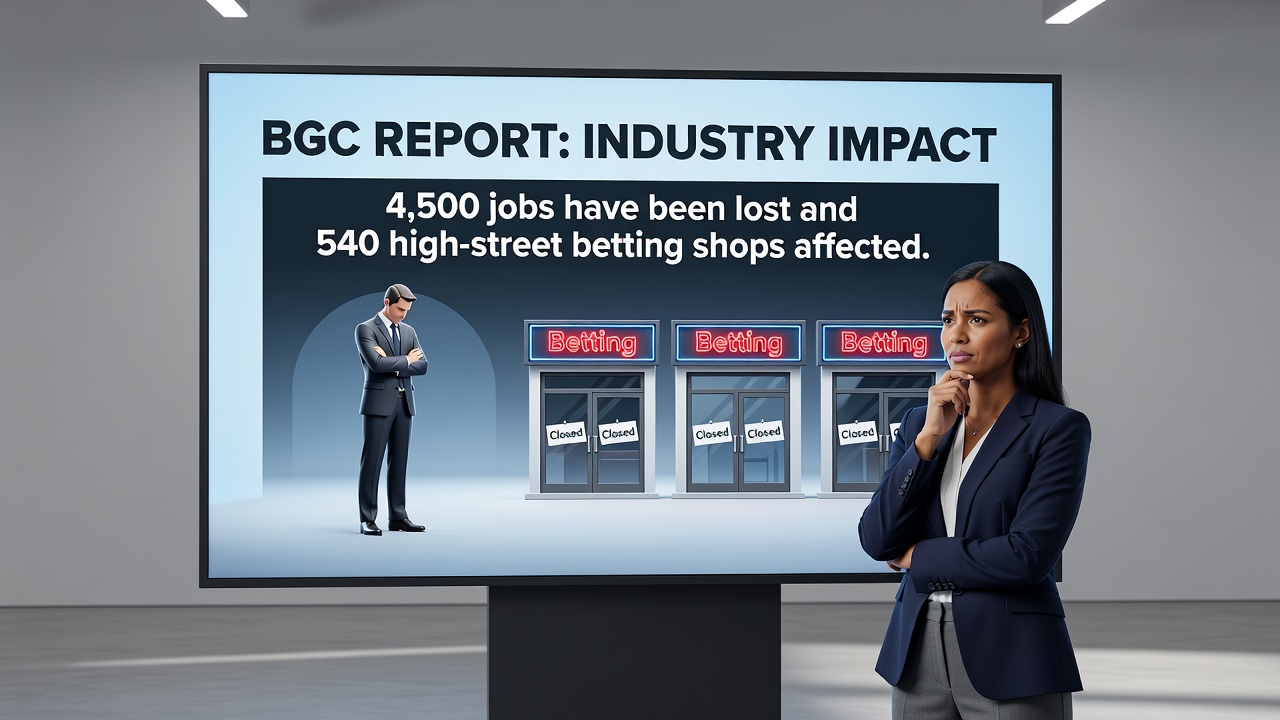
Operators note that many locations already operate on slim margins, so the additional 5% levy on higher-stakes machines would compound existing cost pressures from rents, staffing and regulatory compliance; several groups have begun internal reviews of site viability ahead of the April implementation date.
Government Framing and Revenue Allocation
Treasury statements position the duty rise as a balanced approach that directs new funds toward high-street rate relief packages, while the decision to leave pubs and arcades untouched preserves employment in sectors viewed as more integrated with broader community economies; the policy paper on Machine Games Duty changes outlines these objectives in detail and sets out the expected timeline for rate relief distribution.
By November 2026, parliamentary committees have started preliminary scrutiny of the accompanying business rate measures, and trade associations continue to submit evidence on projected employment effects in the gaming sector.
Projected Financial Flows and Levy Implications
Figures supplied by the British Horseracing Authority indicate that lost betting-shop activity would directly erode contributions to prize money, media rights deals and integrity services that depend on the current levy mechanism; any sustained reduction at the scale described would require racing to identify alternative funding sources or adjust operational budgets accordingly.
Meanwhile, EY projections cited by industry bodies highlight downstream effects on supply chains, including machine manufacturers, maintenance contractors and software providers that support the affected venues; these secondary impacts have prompted calls for transitional support schemes ahead of the rate change.
Conclusion
The October 28, 2026, announcement sets in motion a defined sequence of tax and relief measures whose full effects will become measurable after April 2027; stakeholders across horseracing, betting operations and local economies continue to assess the balance between additional duty receipts and potential venue reductions while monitoring parliamentary progress on the linked business rate package.