UK Budget Tax Shifts Prompt Reported Closures and Job Reductions in Gambling Operations
Viktor Wagner · Aug 21, 2026

UK Budget Tax Shifts Prompt Reported Closures and Job Reductions in Gambling Operations
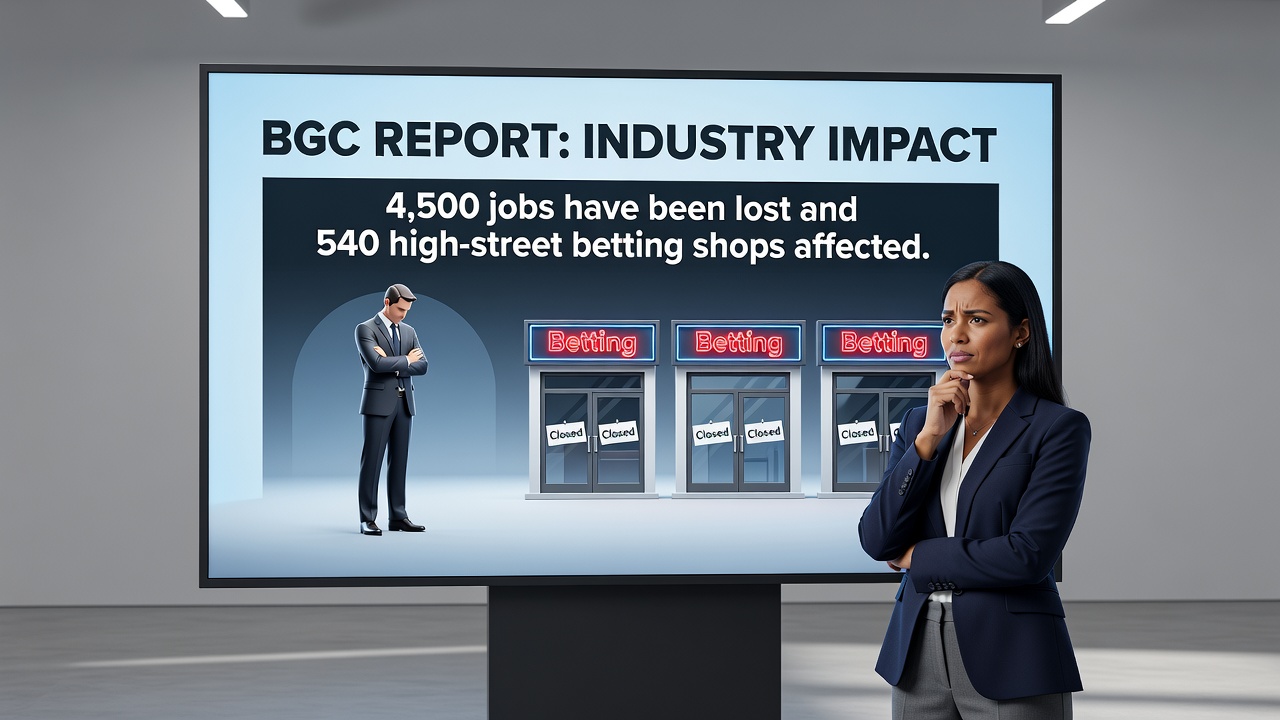
The Betting and Gaming Council released figures showing 4,500 positions eliminated along with 540 high-street betting shops shuttered across the United Kingdom since the 2025 budget took effect, and these developments trace directly to the doubling of remote gaming duty to 40 percent scheduled for April 2026 plus announced future rises in remote betting duty. Grainne Hurst, who serves as chief executive of the organization, linked the outcomes to elevated operating expenses that span both online platforms and physical retail locations, while she also flagged potential ripple effects on British sports funding that rely on industry contributions.Details Behind the Reported Figures
Those numbers emerged from industry tracking conducted after the budget announcements, and they reflect closures concentrated in retail outlets where operators manage integrated businesses that combine in-person betting with digital services. Hurst stated that the cost increases force difficult decisions across the sector, yet the organization emphasized that high-street duty rates themselves remained unchanged under the new measures. Observers note that businesses with combined operations absorb the remote duty hikes across their full structure, which leads to reduced viability for some physical sites.
Data from the council further indicates that the job losses occurred in roles tied to both customer-facing retail work and support functions for online systems, and the pattern suggests continued pressure if duty rates climb again as planned. People who track gambling employment patterns often point to similar integrated models in other regions where tax adjustments produced comparable consolidation, although direct comparisons require careful adjustment for local regulations.
Treasury Position on the Changes
The UK Treasury responded by clarifying that duty rates applied to high-street shops stayed the same, and officials maintained that any shop closures cannot be attributed to government policy. Treasury statements stressed that the remote gaming duty adjustment targets online activity specifically, while retail betting continues under prior frameworks. This distinction forms a central point in the exchange between the industry group and government representatives.
According to the Treasury, the budget measures aim to align taxation more closely with digital growth trends without altering the retail tax baseline, and department analyses project steady revenue collection from unchanged shop duties. Those who follow fiscal policy note that the government views the duty increases as a way to capture value from expanding online segments, whereas the Betting and Gaming Council highlights spillover costs that affect the broader employment base.
Potential Effects on Related Sectors
Hurst warned that further reductions in staffing and additional shop closures could occur, and she connected these possibilities to diminished support for British sports through sponsorship and levy arrangements that draw from gambling revenues. The council report outlines how integrated operators face compounded cost structures when remote duties rise, which in turn influences decisions about maintaining retail footprints. Evidence presented by the group shows that some locations already operate at narrower margins after absorbing the announced increases ahead of the April 2026 implementation date.
Industry tracking continues into August 2026, when the first full period of the higher remote gaming duty will have passed, and updated closure and employment data will become available for comparison against the initial 4,500 positions and 540 shops. Researchers who examine labor markets in regulated sectors often examine such phased tax implementations to identify patterns of adjustment across retail and digital channels.
Context Around the 2025 Budget Measures
The budget introduced the remote gaming duty increase from its prior level to 40 percent, with additional planned rises for remote betting duty layered on top, and these steps apply to activities conducted through digital platforms rather than physical premises. Operators with mixed business models report that the higher rates influence overall profitability calculations, which leads to reviews of shop networks and staffing levels. The Betting and Gaming Council collected the reported figures through member submissions that cover both national chains and independent locations.
Turnout at industry forums since the budget shows operators discussing strategies for cost management while maintaining compliance with existing retail duty obligations, and the Treasury continues to assert that the unchanged high-street rates isolate the policy impact to remote operations. One case documented in council materials described a regional operator that consolidated several sites after projecting the combined duty load, although specific company names remain confidential in the aggregate data release.
Conclusion
The exchange between the Betting and Gaming Council and the UK Treasury centers on attribution of the 4,500 reported job losses and 540 shop closures to the 2025 budget provisions, with the industry group citing integrated cost pressures and the government pointing to stable retail duty rates. Updated figures expected after April 2026 will provide further data points on whether the pattern continues under the new remote gaming duty level. Those monitoring the sector will track employment and location metrics alongside any adjustments to sports funding streams that depend on operator contributions.